Primary Sources
Read the frameworks, browse the registries, join the communities.
Start Here
The UN System & NYC Government Technology →Our long-form briefing for city technology leadership — the programs, events and frameworks NYC can join, and what to do first.UN Open Source Week ↗The annual convening at UN HQ — agenda, recordings, and community.The UN Open Source Principles ↗The eight principles and the launch announcement.Global Digital Compact ↗The member-state framework naming DPGs and DPI as shared priorities.
Directories & Registries
GovOSS (Sarapis) ↗Government open source registers from around the world, harvested first-hand onto one schema, with a free JSON API.DPI Map (UCL IIPP) ↗Interactive world map of the digital ID, payment, and data-exchange systems in use across 210 countries.DPG Standard & Registry (DPGA) ↗The vetted registry of digital public goods, filterable by SDG and searchable by deployment.Universal DPI Safeguards ↗The rights-by-design framework for public digital infrastructure.GovStack ↗Building-block specifications for government digital services.X-Road ↗The open source data exchange layer run by 20+ countries.
Communities of Practice
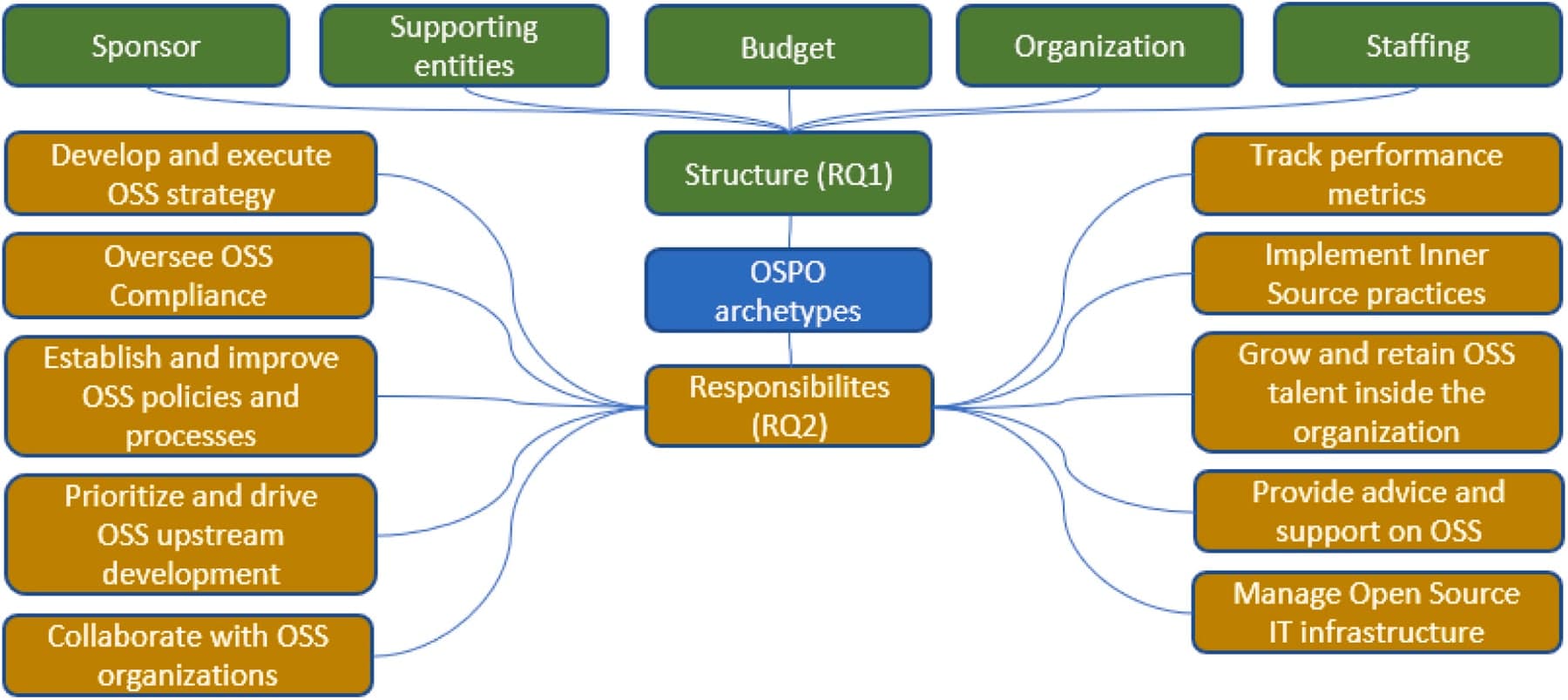
TODO Group ↗The practitioner community for running an OSPO — guides and templates.OSPO Alliance ↗European-rooted alliance with an OSPO onboarding handbook.EU Open Source Observatory (OSOR) ↗Case studies and news on public-sector open source across Europe.Code for America ↗The US civic tech network — the domestic ally ecosystem.